
A Stay in Massa and a Day Trip to Pisa
by Monika Suchoszek
Planning a trip to Italian coast and wondering whether Massa and Pisa are worth visiting, especially with a child? In this travel guide, I’m sharing our real experience of staying in Marina di Massa and taking an easy day trip to Pisa with a toddler. This part of Italy is often overlooked compared to Cinque Terre or Florence, but it offers a perfect mix of beach, mountains, culture, and family-friendly travel.
After spending two nights in La Spezia, we moved further south along the coast to Massa, where we stayed the final three nights of our trip. Massa is located right at the foot of the Apuan Alps, famous worldwide for their white marble. To get there, we took a short train ride to Massa Centro and then caught a local bus (L60) to Marina di Massa which is the seaside heart of the area, where you’ll find most of the hotels and resorts (5km from train station). Our ride turned into a mini-tour as it detoured through the historic city center before heading to the coast.
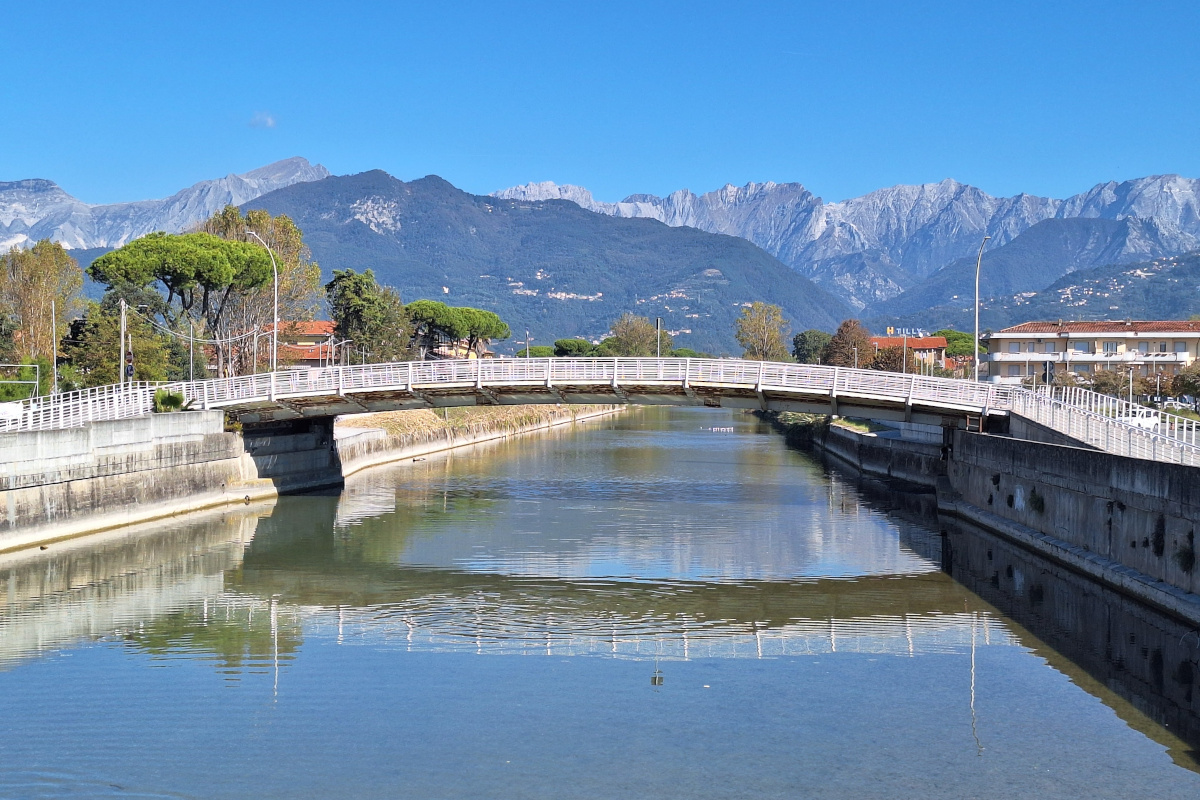
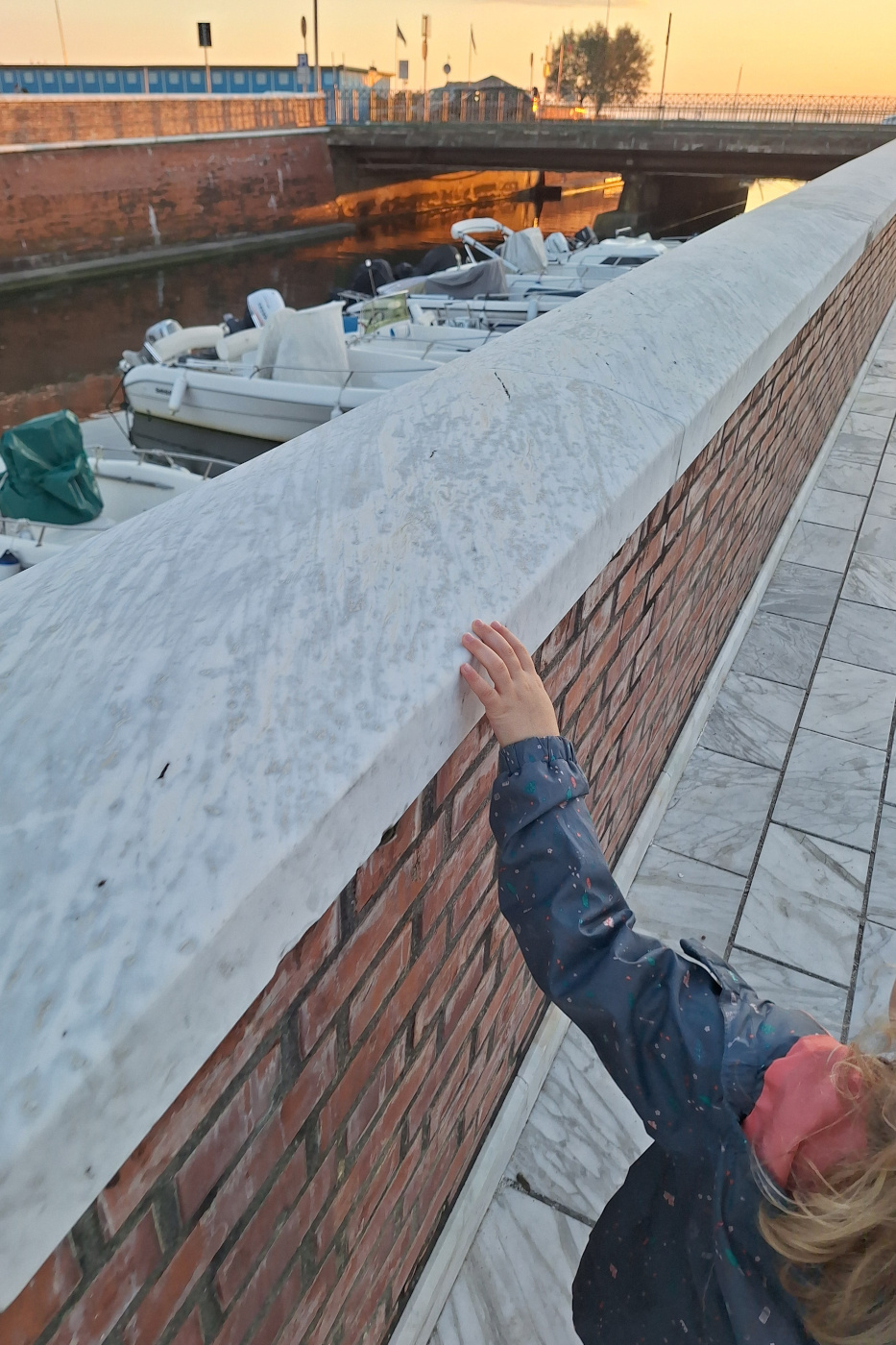
We stayed in an apartment that felt like a hidden gem, mainly because of its rooftop swimming pool and outdoor playground. Despite it being October, the pool was heated and the air was a pleasant 18°C in the shade. Swimming while looking at the white peaks of the mountains on one side and the Tyrrhenian Sea on the other was a highlight of our stay. If you look up at the peaks, you might mistake the white patches for snow. In reality, you are looking at the world-famous marble quarries that have been active for over 2,000 years. Our apartment was just 100 meters from the beach, right next to a lively playground that was full of local children when we visited it in the evening, perfect spot for our daughter to burn off some energy after the journey. One thing that immediately struck us was how the region’s marble heritage is visible even in the smallest details, the street curbs here are made of solid white marble!
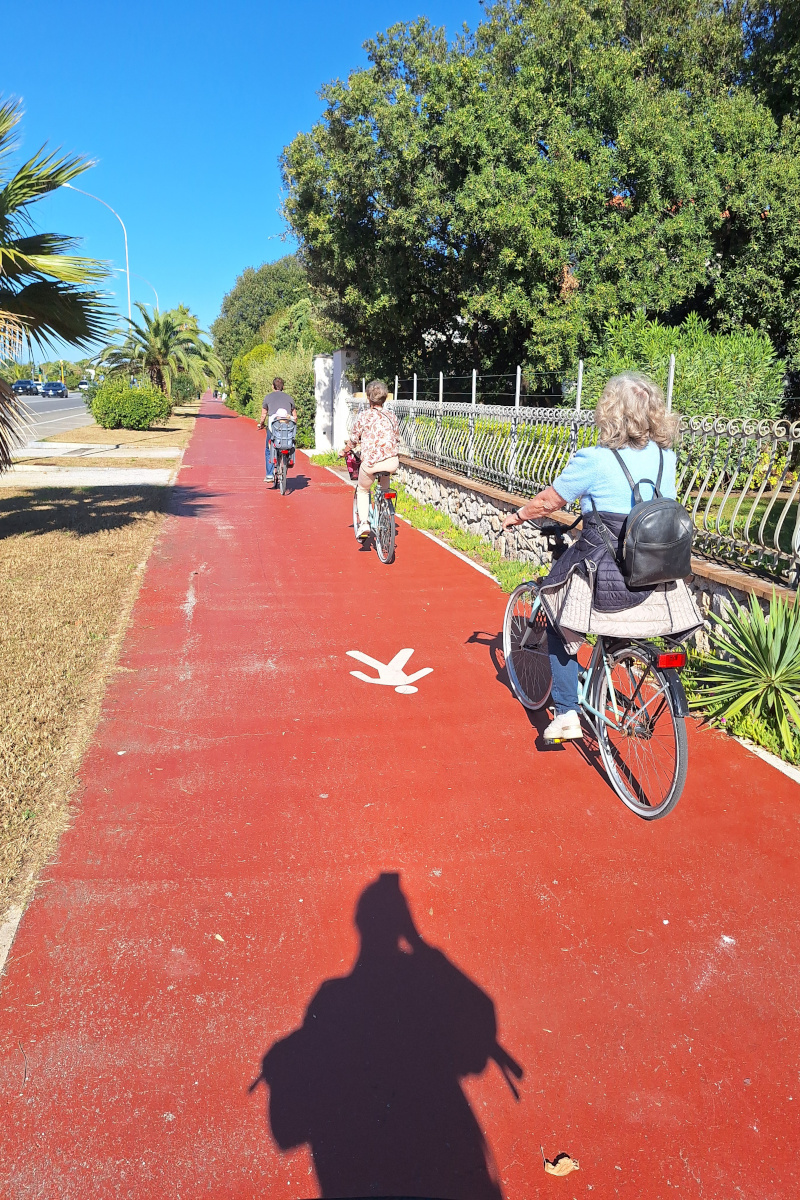
We dedicated one full day to exploring Marina di Massa. One of the attractions of the day was small cycling tour along the coast since our apartment offered bikes that we could use. We managed a 12km loop, to nature preserve Oasi WWF Dune di Forte dei Marmi” and back. This place turned out to be just a bigger beach that was essentially a larger beach, more separated from the houses that we passed on the way here.
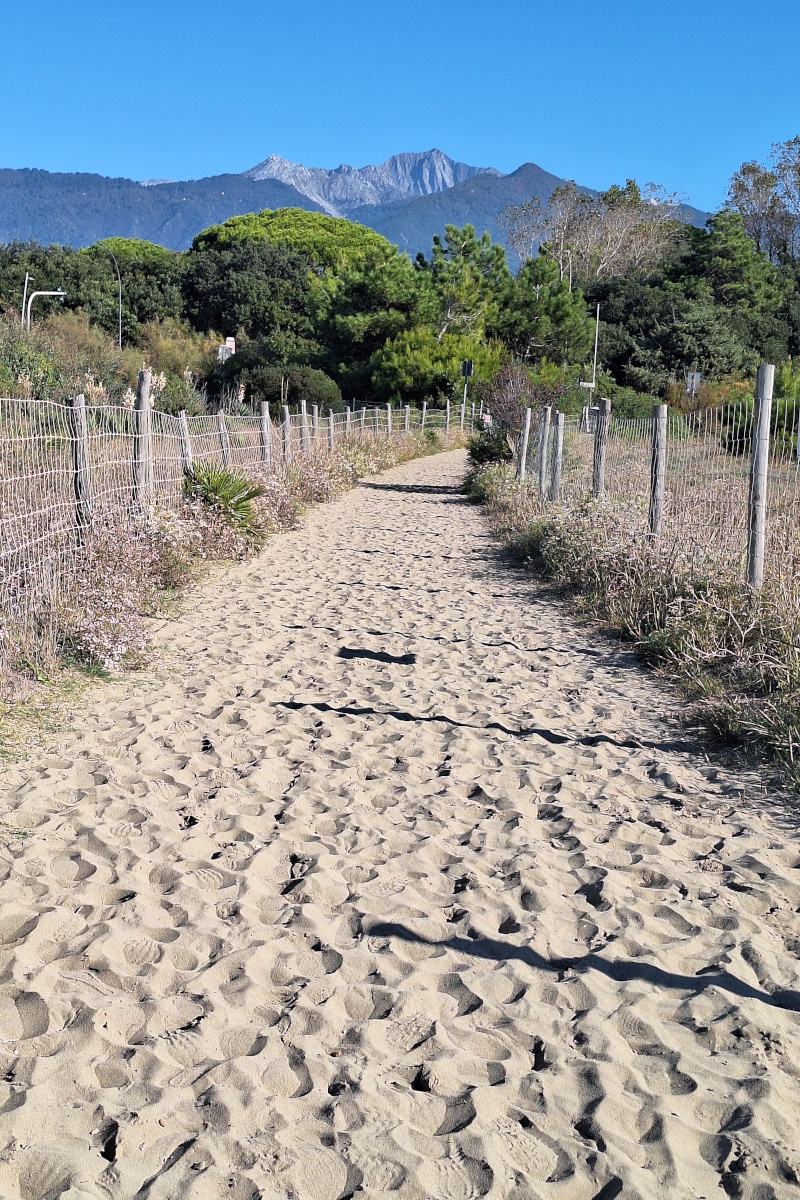
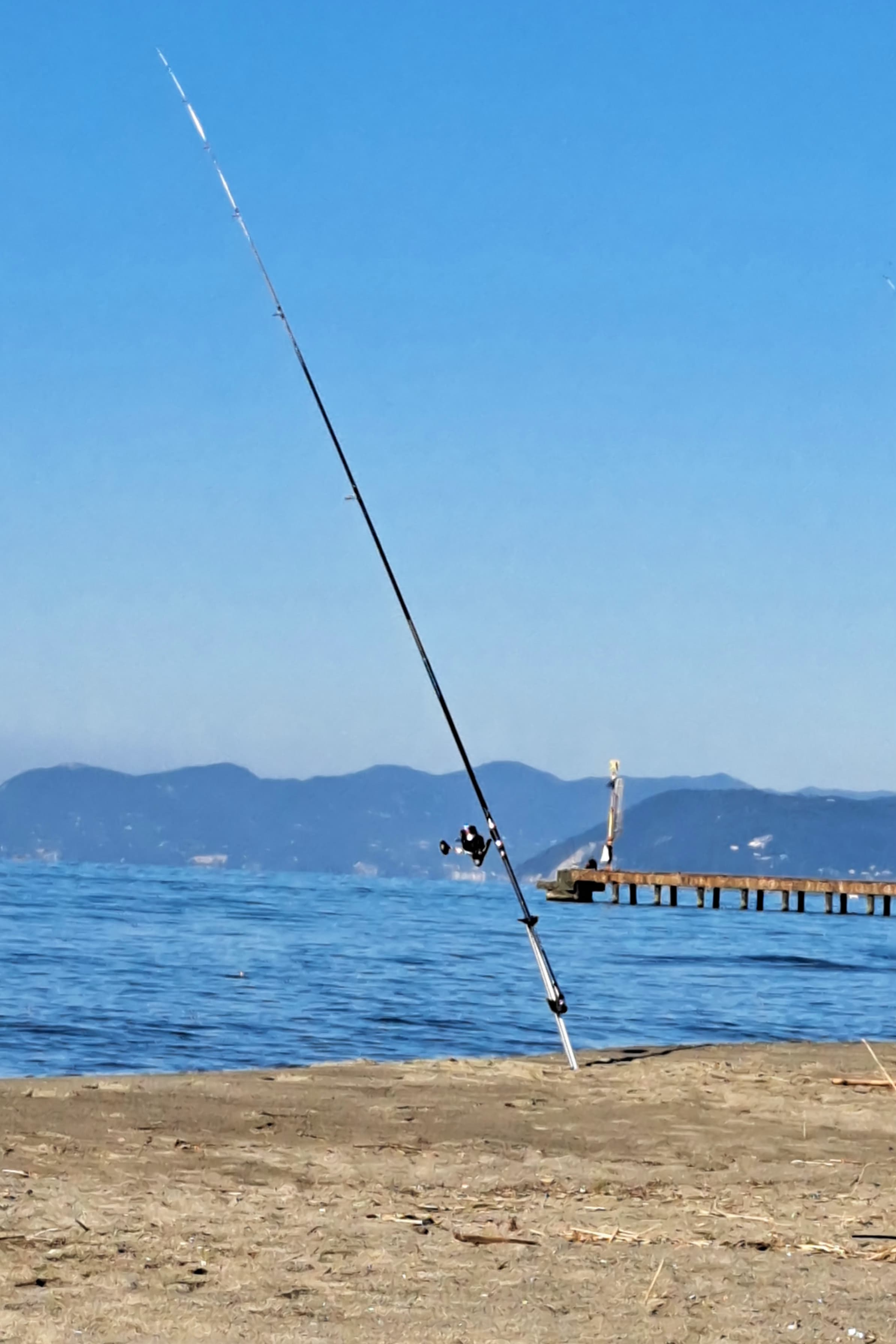
However, I have to be honest about the beach views. Unlike the wide-open promenades of Gandia, Spain (where we spent our holidays last year), much of the coastline here is occupied by private hotels and house owners. Most of the time, rows of buildings blocked our view of the sea, with only small patches of public beach scattered in between. While it didn’t bother us for a short autumn break, it’s something to keep in mind if you’re planning a traditional beach summer holiday with kids; car traffic runs very close to the main walking areas.
I had also hoped to visit the Pietro Pellegrini Botanical Garden in the mountains, but unfortunately, it closes for the season in October. If you visit in the summer, there is a dedicated bus that takes you high into the Alps to see the unique flora of the marble peaks.
For my husband’s birthday, we planned a day trip to Pisa. The plan was easy: a quick bus to the Massa train station, followed by and a 30-minute train ride that would lead us right in the heart of the city where we could immediately start sightseeing. Below is the list of places we visited that day in order of our walk (more practical information about tickets and prices here.
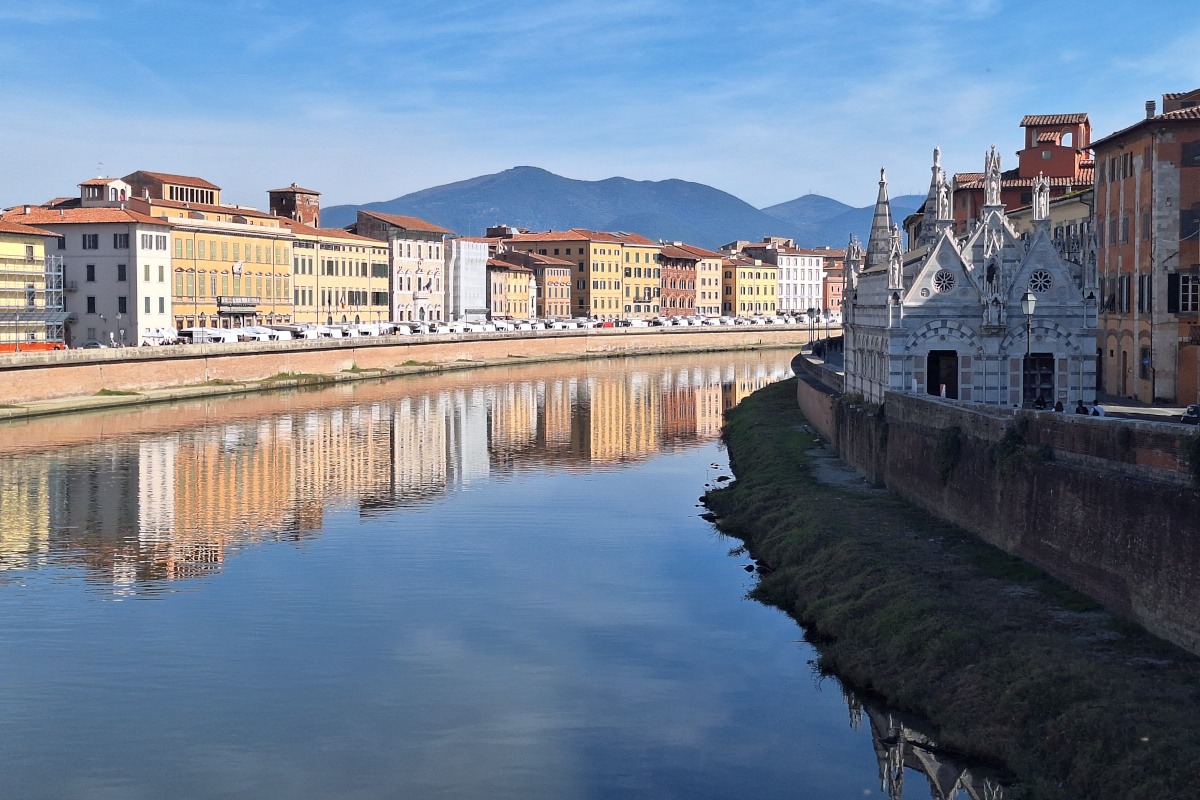
Chiesa di Santa Maria della Spina is a tiny, ornate Gothic church that sits right on the bank of the Arno River. It immediately attracted our attention as it looks very delicate because of light marble and high number of ornaments on the facade. It is very unusual due to its proximity to the water. The exterior is more compelling than the interior which was used for exhibition during our visit. There was an interesting wooden ceiling inside but most of the sculptures were moved to other churches. Ponte Solferino located next to it had adorable views of the colorful buildings lining Arno river.
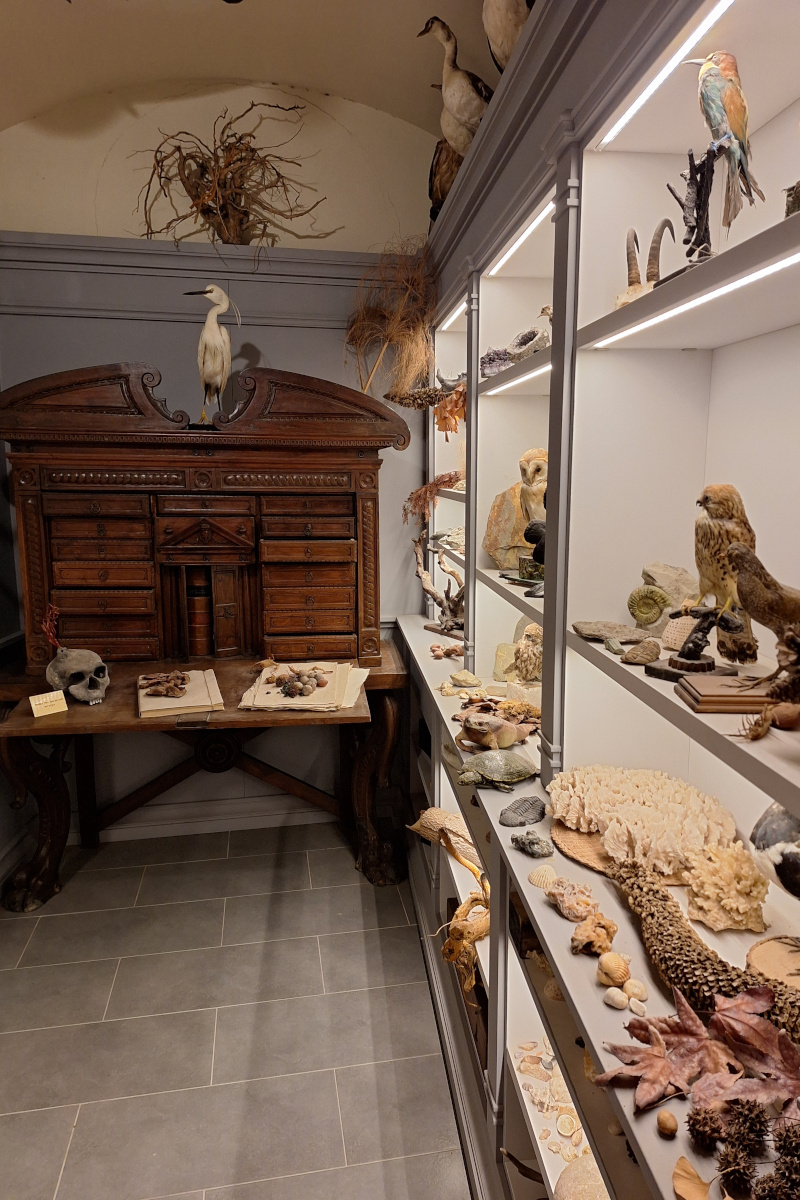
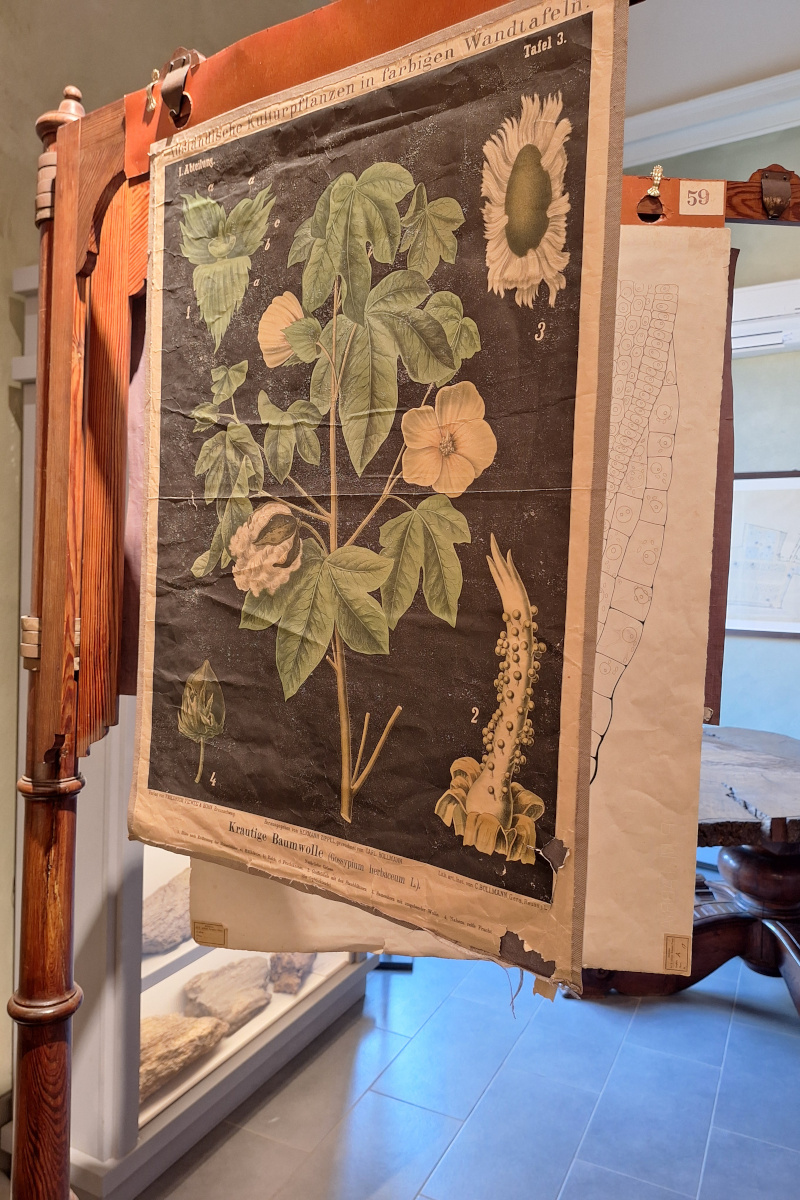
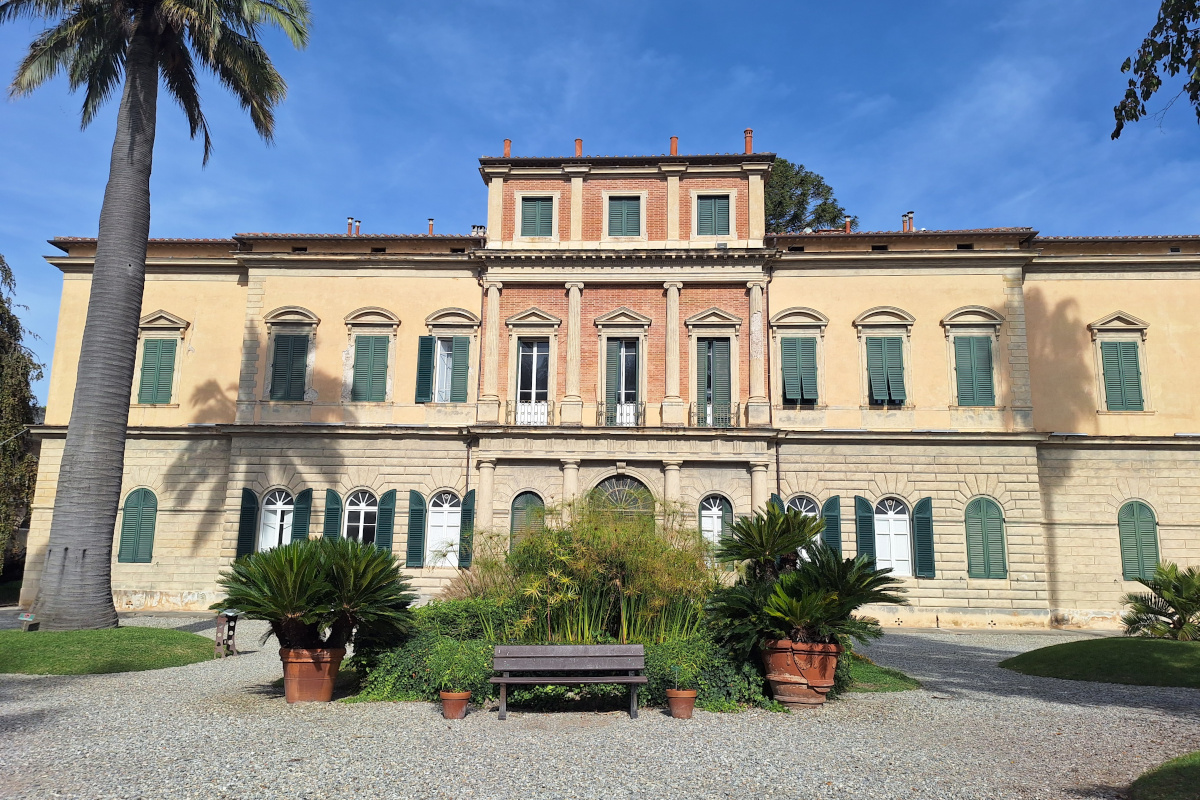
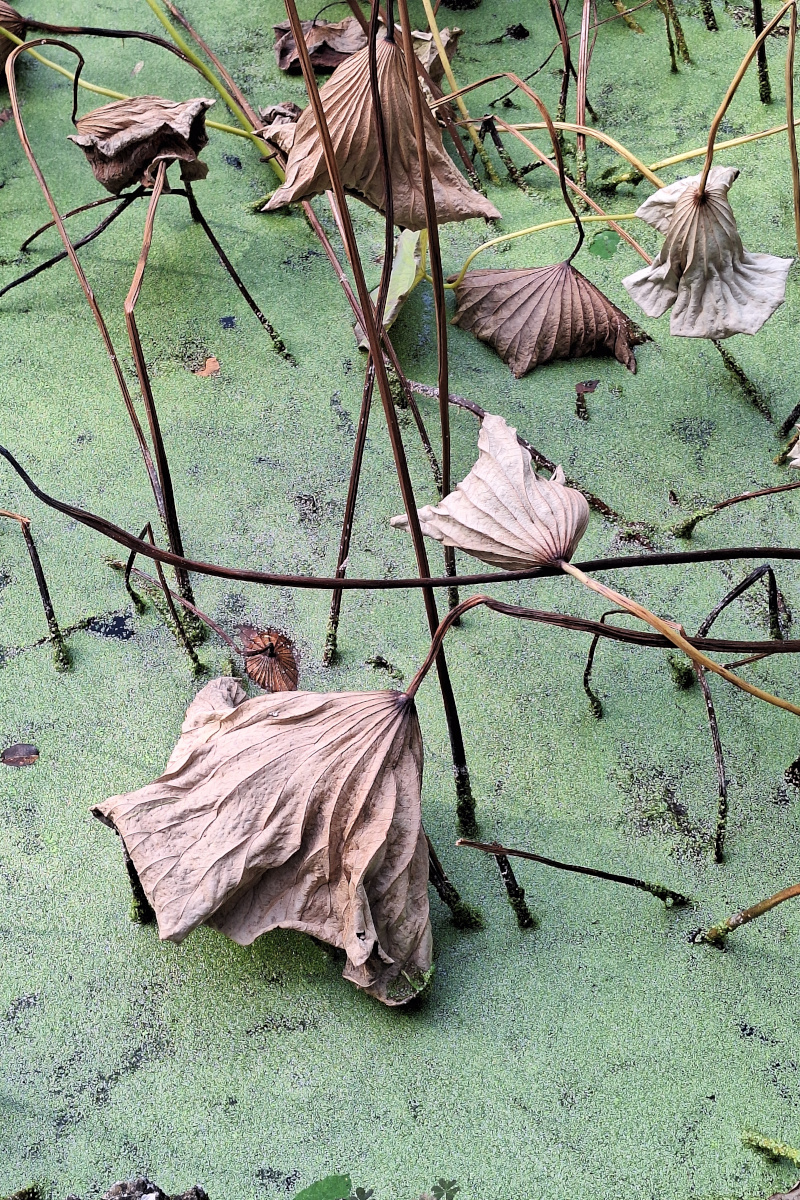
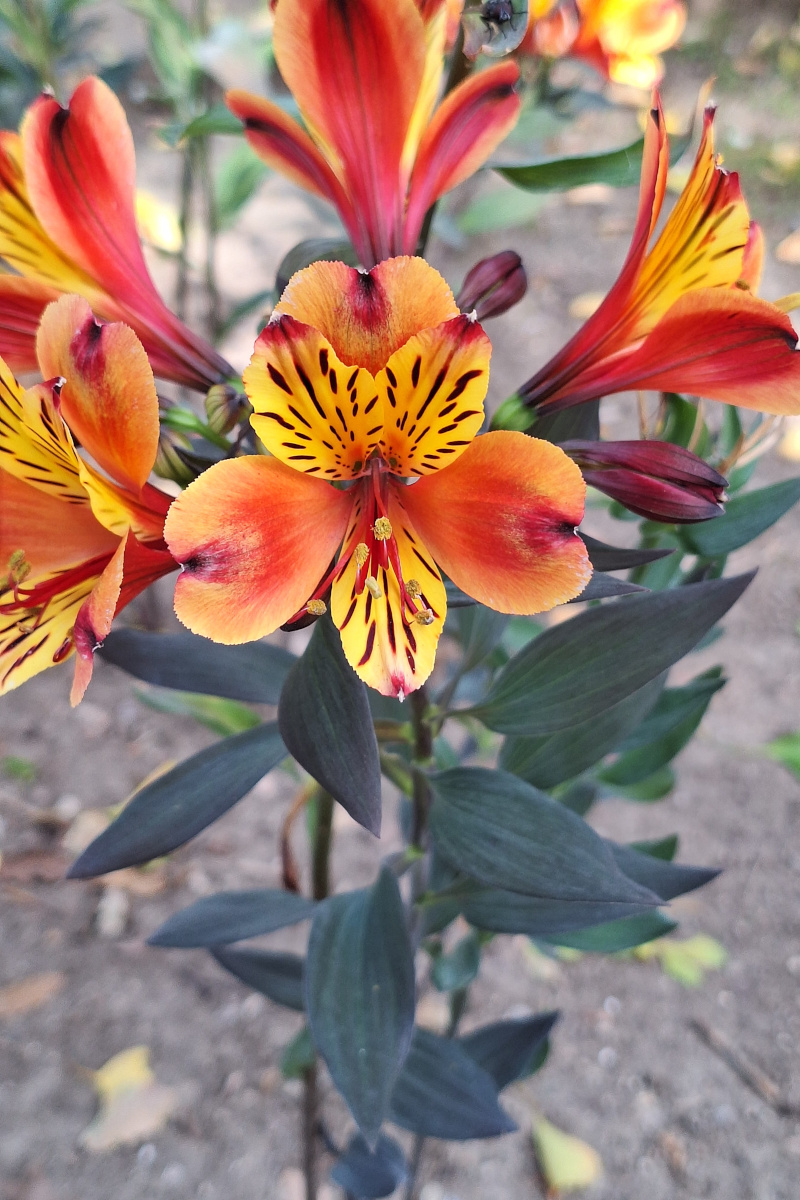
Since the garden in the mountains nearby Massa was closed, we decided to spend some time in Orto e Museo Botanico. It is one of the oldest academic botanical gardens in the world and offers a very peaceful escape from the crowds. The small museum was interesting and educational, and our kid was curious and engaged throughout the visit, but we were less excited about the exhibition. We were there in October so it’s not the time when this place is the most colorful, but we still enjoyed it, especially bamboo forest and greenhouse with cactuses. We always like to visit botanic gardens while visiting bigger cities as good stop to immerse ourselves in quiet hidden spot with nature.
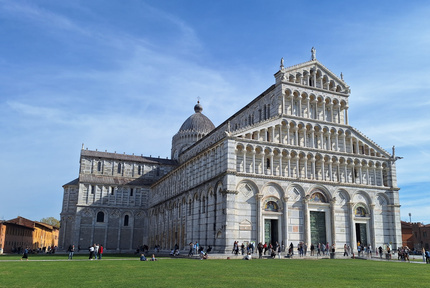
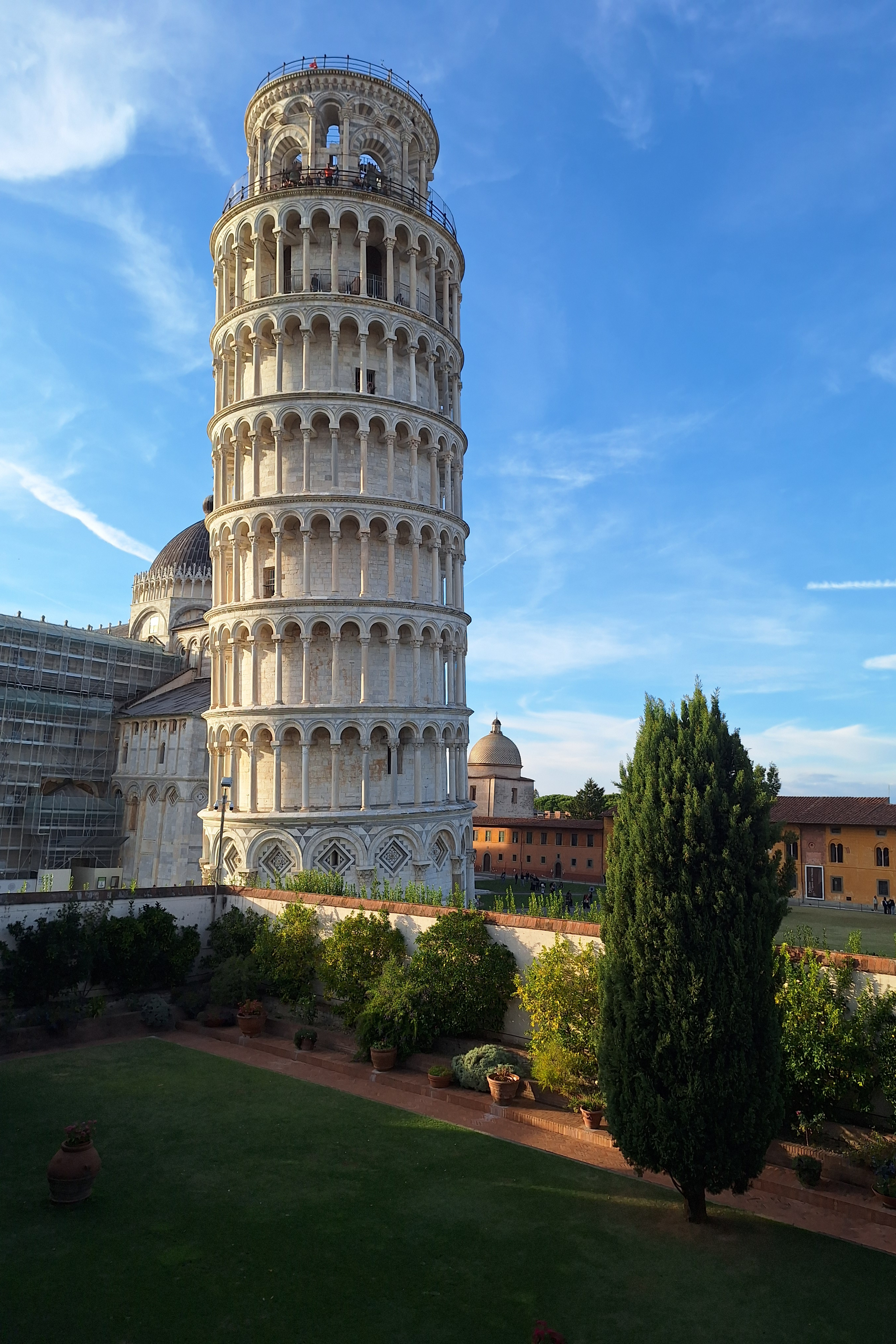
Once we reached the stunning Piazza dei Miracoli, breathtakingly grand square, we could immediately spot famous Tower of Pisa and surrounding building that were equally impressive.
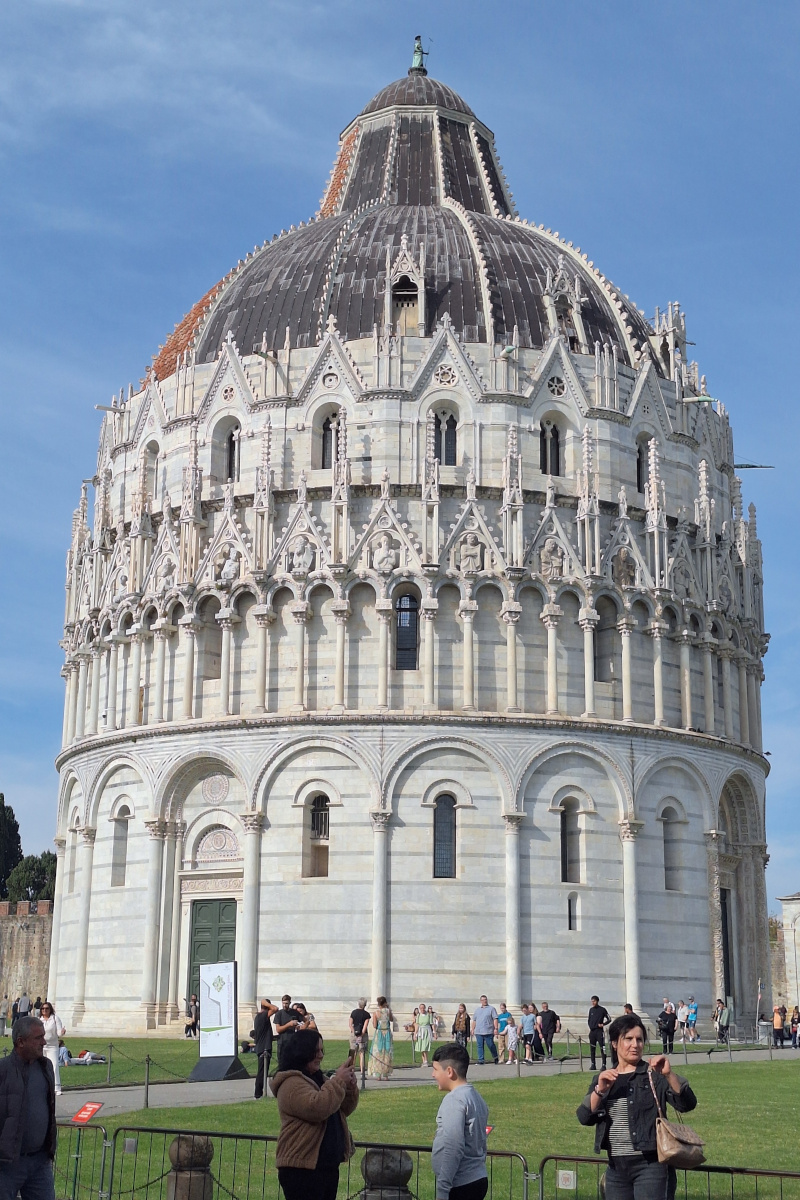
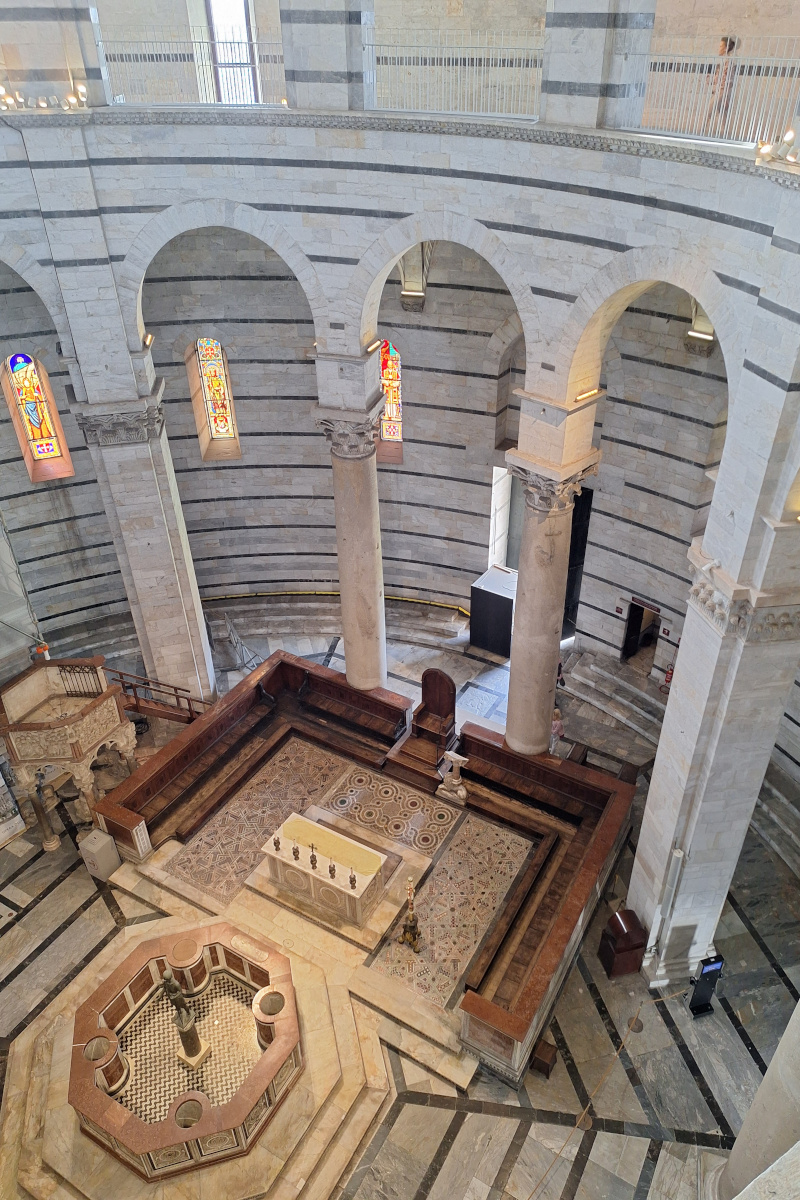
Battistero di San Giovanni: It is the largest baptistery in Italy and in the Middle Ages all children of Pisa were baptized here. The building has a circular shape with a large dome on top. Apparently it has exceptional acoustics inside and staff often demonstrate how sound echoes and resonates under the dome but we did not have a chance to hear that. If you’re traveling without a pram, you can climb the steep stairs to the first floor of the Baptistery for a unique perspective of the interior (we actually left the pram inside close to the entrance for the time of our visit).
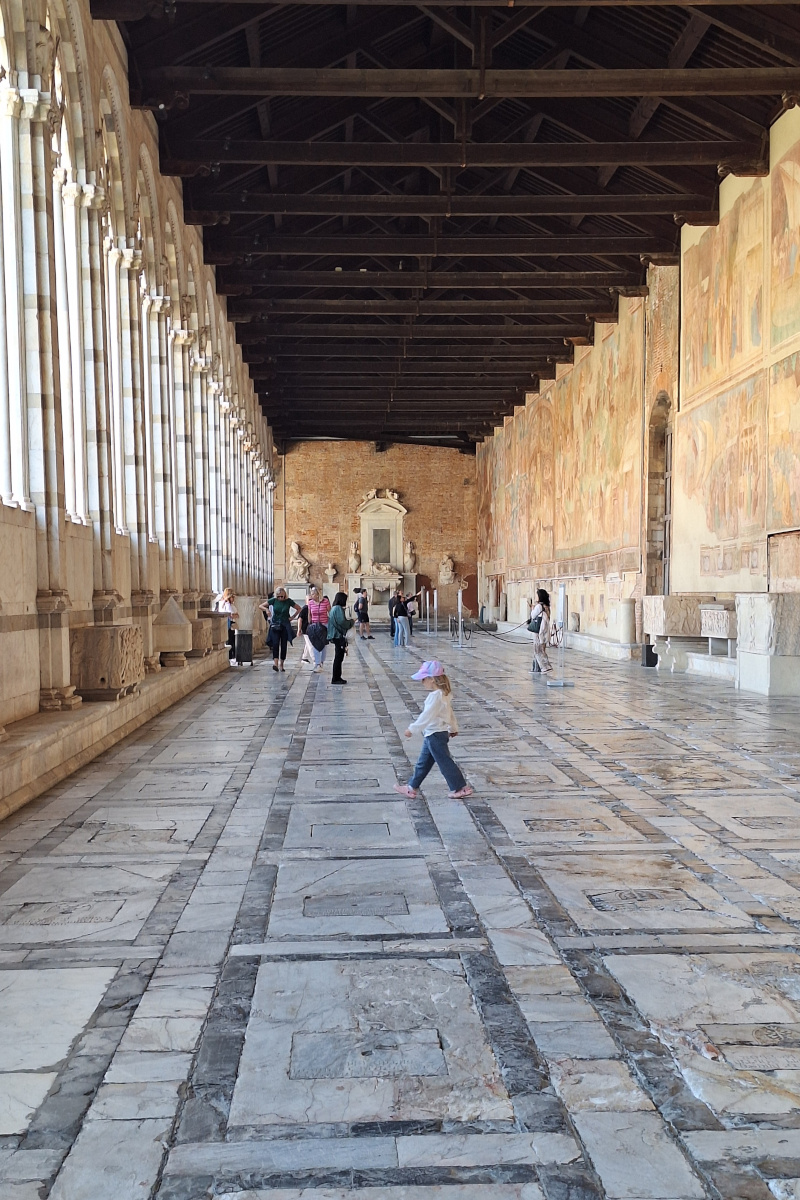
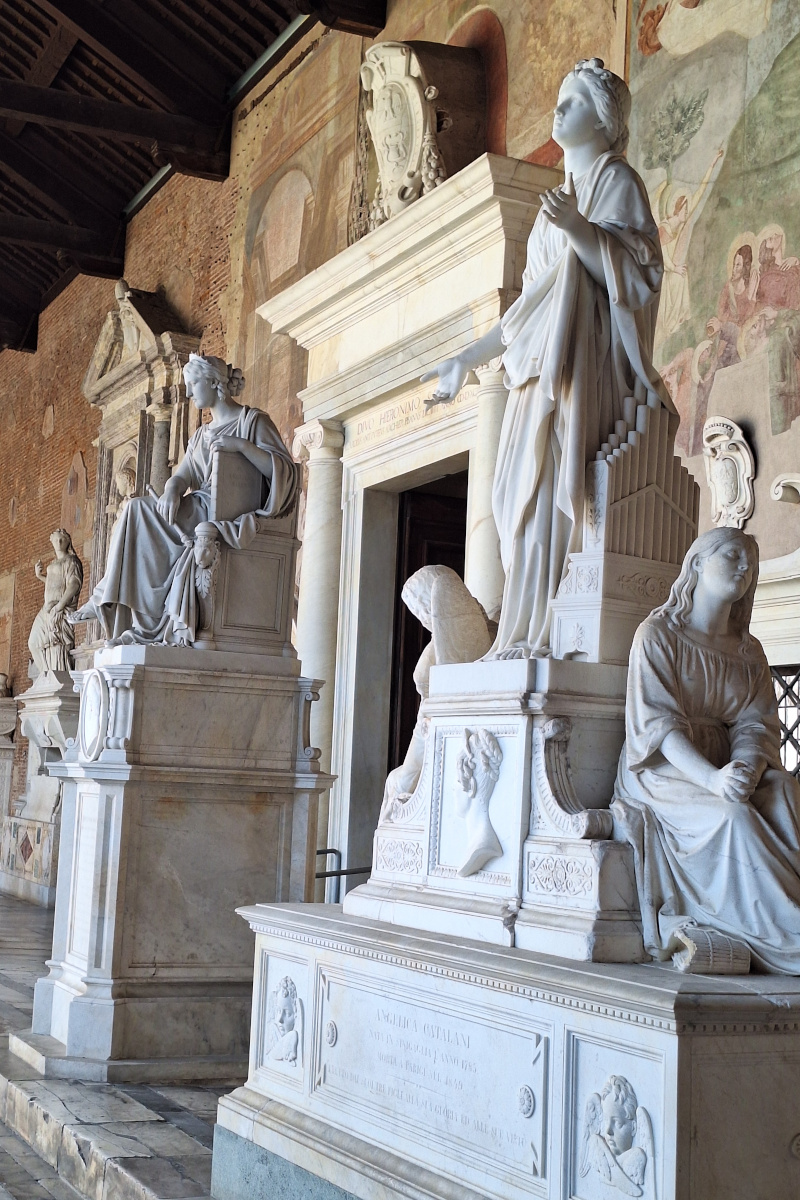
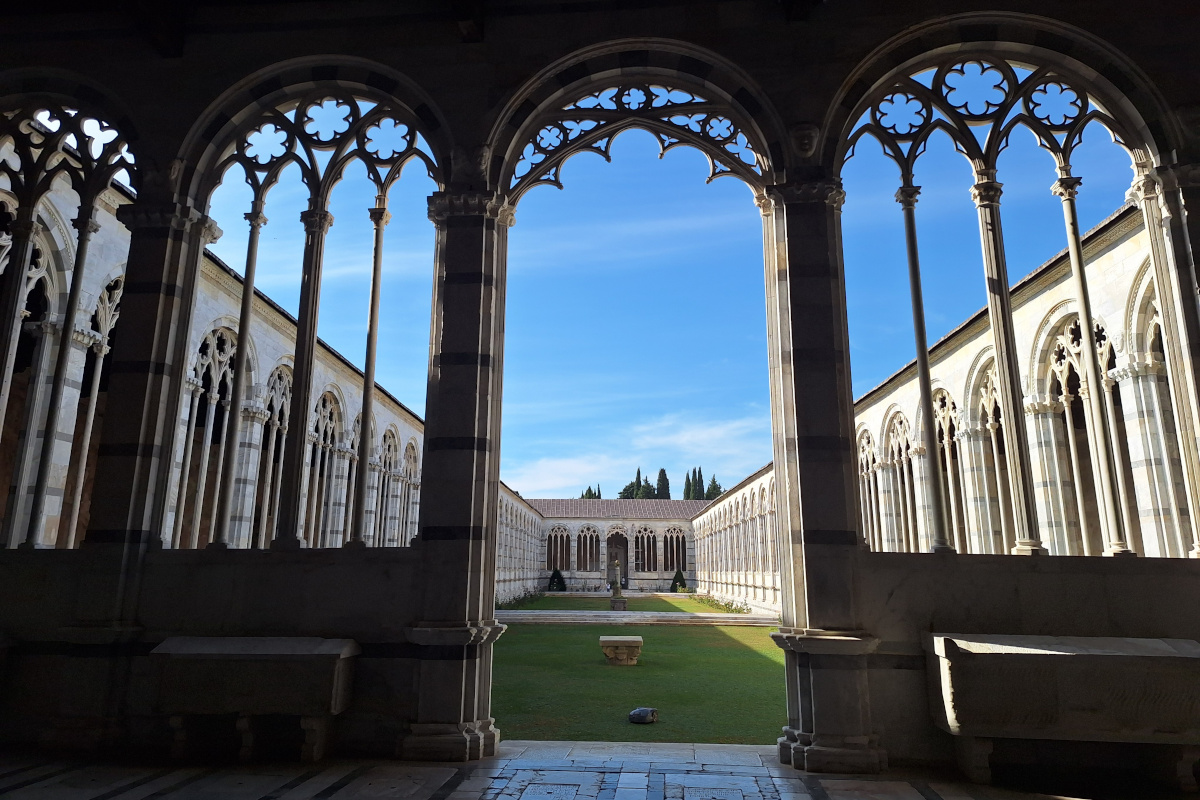
Camposanto: It’s a monumental cemetery with beautiful frescoes and a peaceful green courtyard in the center. It felt much more like an open-air art gallery than a graveyard and it was my surprise favourite. It was burial place for the elite. It was designed as a prestigious burial site for: important citizens of Pisa, noble families, clergy and intellectuals. Being buried here was a sign of status and honor. You can see there big monuments celebrated families and their achievements. The frescoes were not just decoration, they had a strong educational and moral purpose, reminding viewers of mortality and the fragility of life.
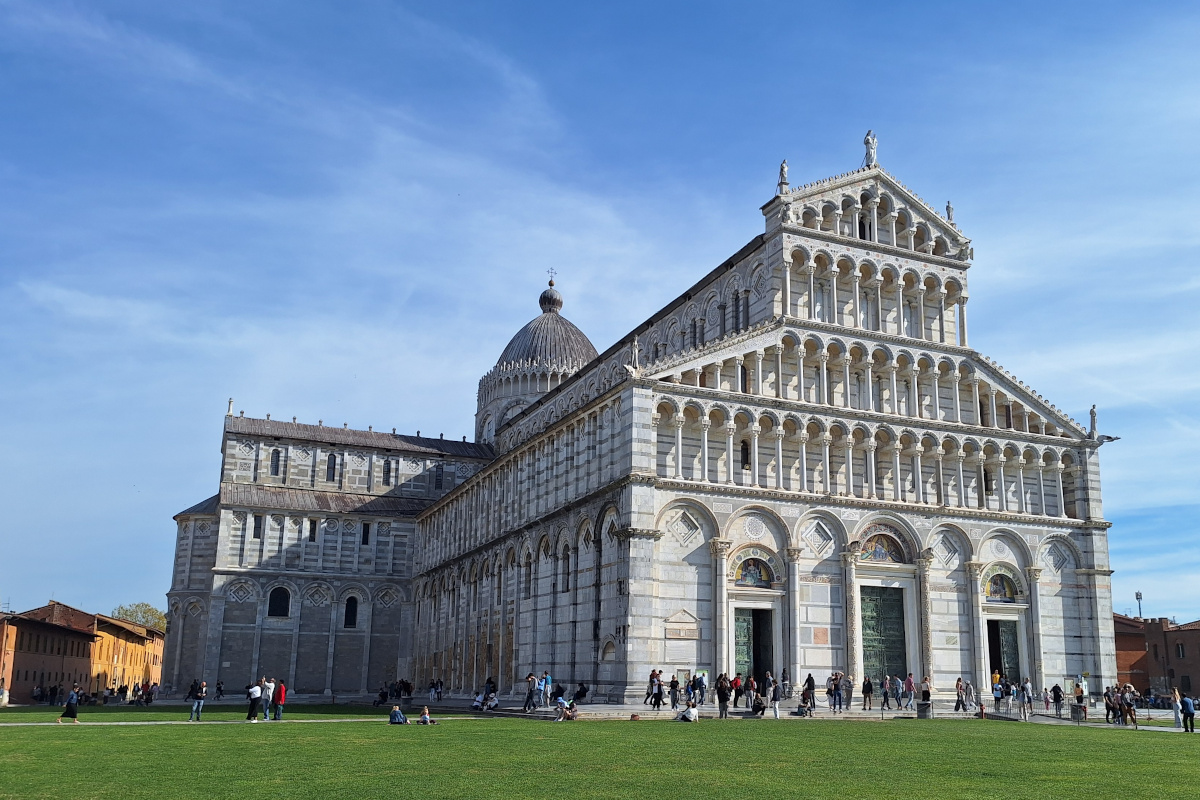
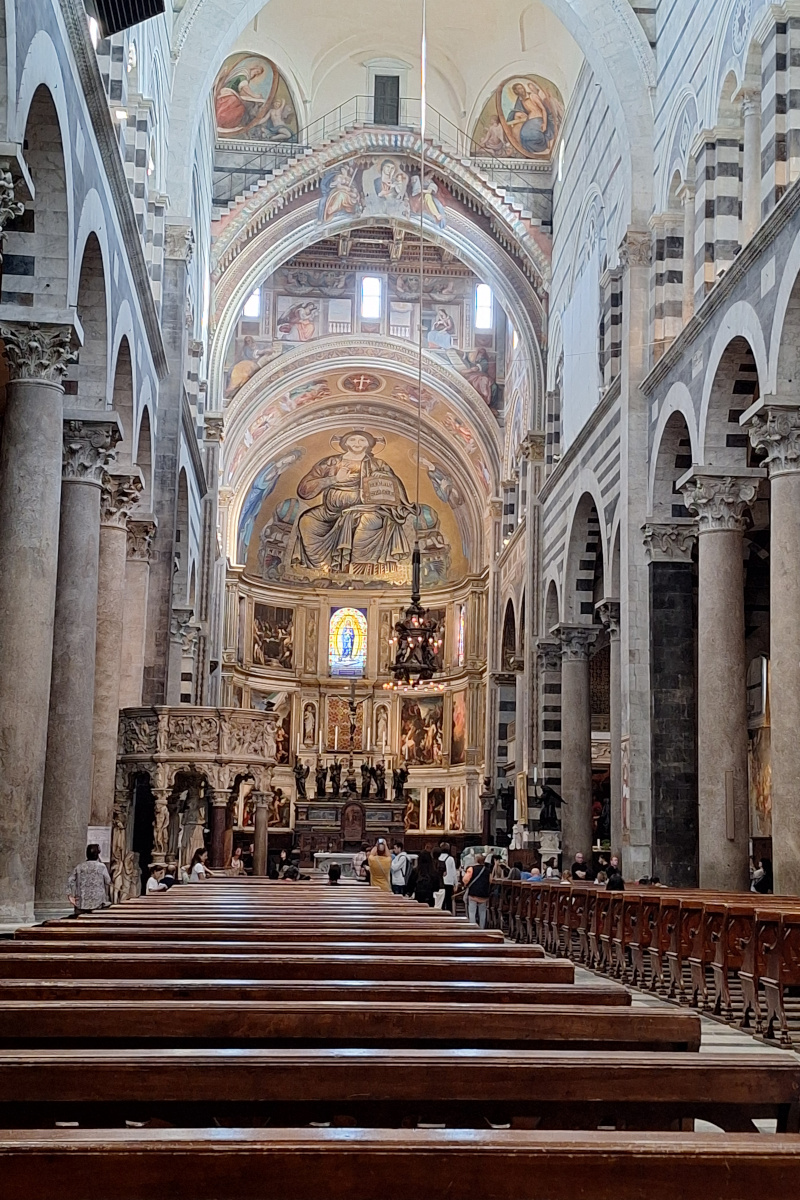
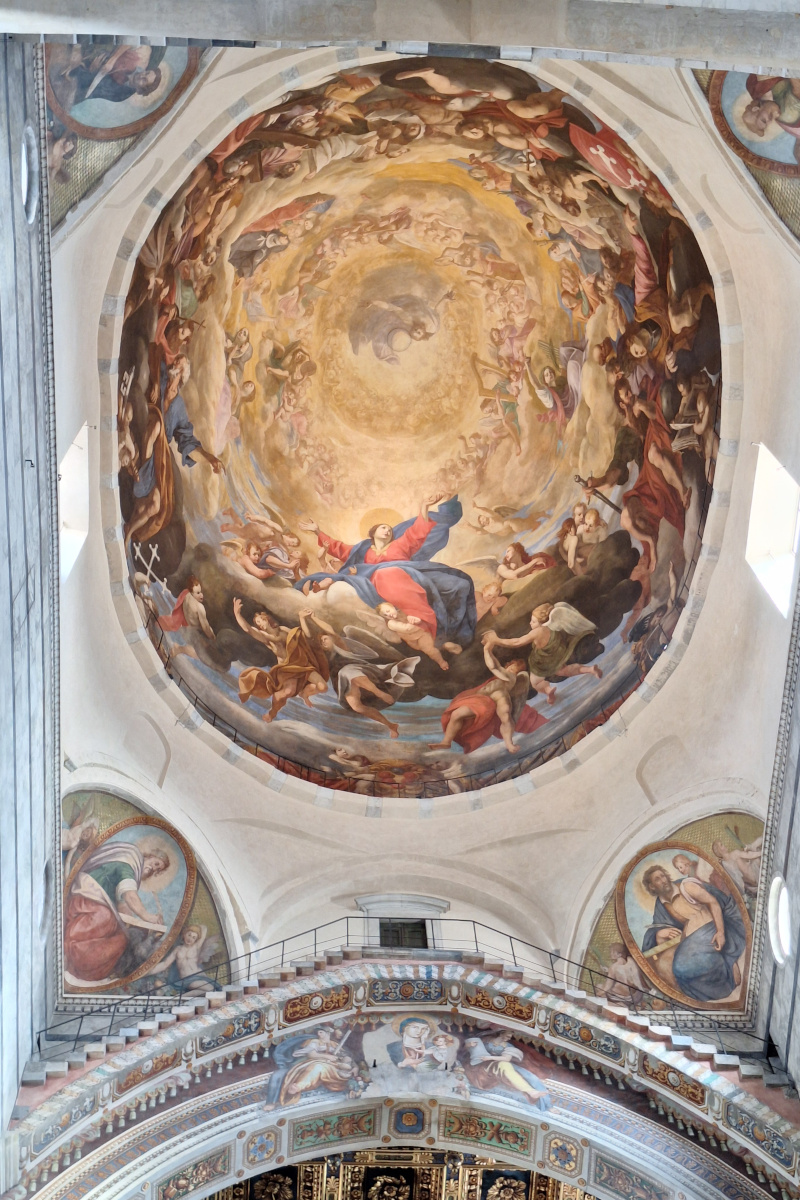
Cattedrale di Pisa Many original sculptures were created by artists but over time, they were removed to protect them from weather and damage. Today, the originals are kept in the museum, while the façade displays copies. Interior has striped marble, columns and a huge mosaic in the apse. There were many visitors inside during our visit but atmosphere was still calm and monumental. The timed tickets are used to control the number of visitors inside, so it never gets dangerously crowded.
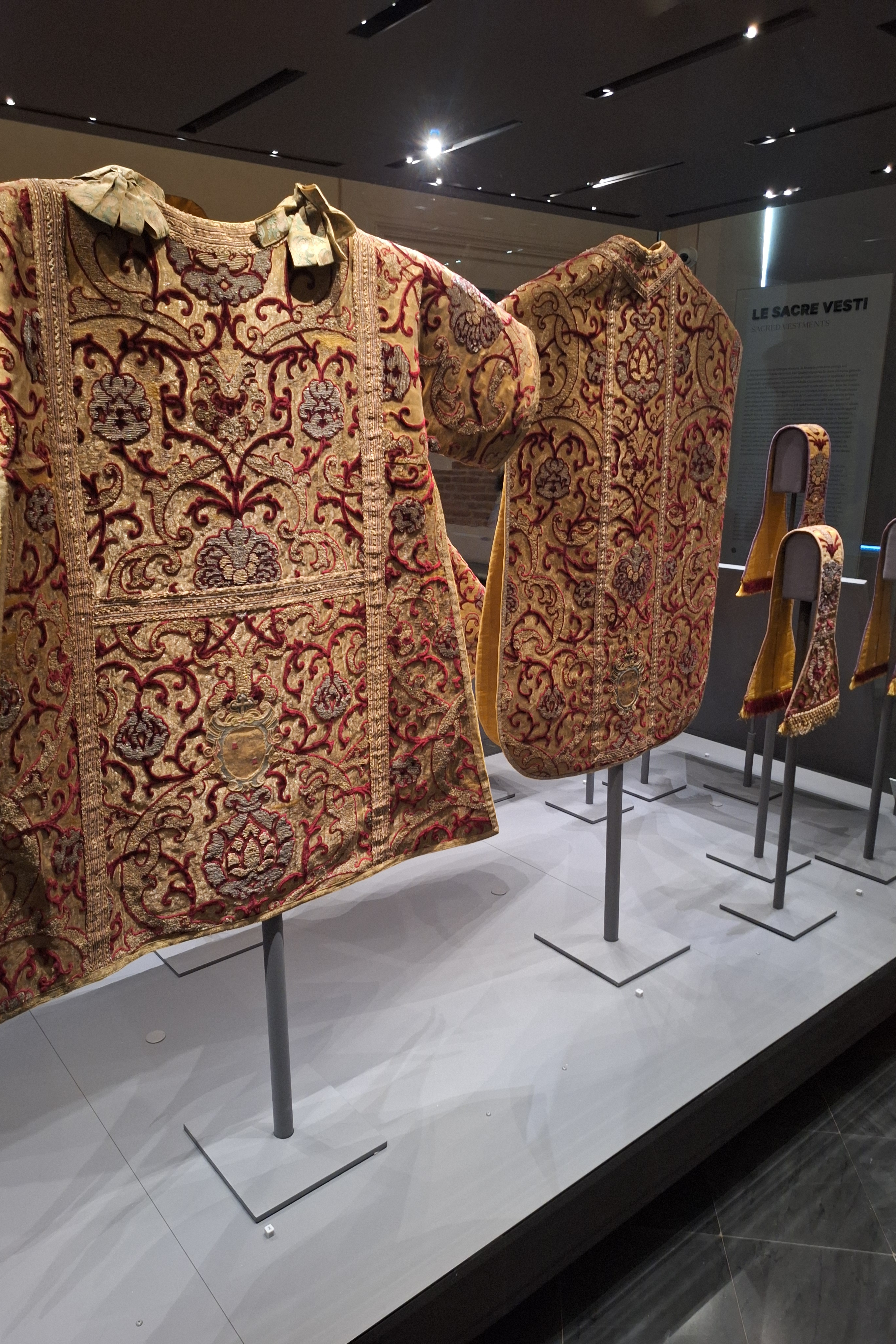
Museo dell’Opera del Duomo: This museum is an essential stop when visiting Piazza dei Miracoli, as it preserves original artworks and architectural elements from the Pisa Cathedral, Pisa Baptistery, and the Leaning Tower of Pisa. Many sculptures, doors, and marble decorations displayed here were moved indoors to protect them from weather damage, replacing them with copies outside. This allows visitors to admire their fine details up close while also understanding how they originally fit into the architecture and religious function of the square. the central green courtyard symbolized peace and eternity.
The museum offers a rich collection of sculptures, liturgical objects, and ancient books, along with exhibits that explain the history and design of the entire complex, including a large model of the Leaning Tower. A highlight is the café terrace, which provides one of the best crowd-free views of the tower. The visit is included in the Pisa complex ticket, and exploring everything usually takes about 1 to 1.5 hours depending on how deeply you engage with the displays. Overall, the museum acts as a key to better understanding the monuments outside while offering a quieter and more detailed experience and we really enjoyed the visit!
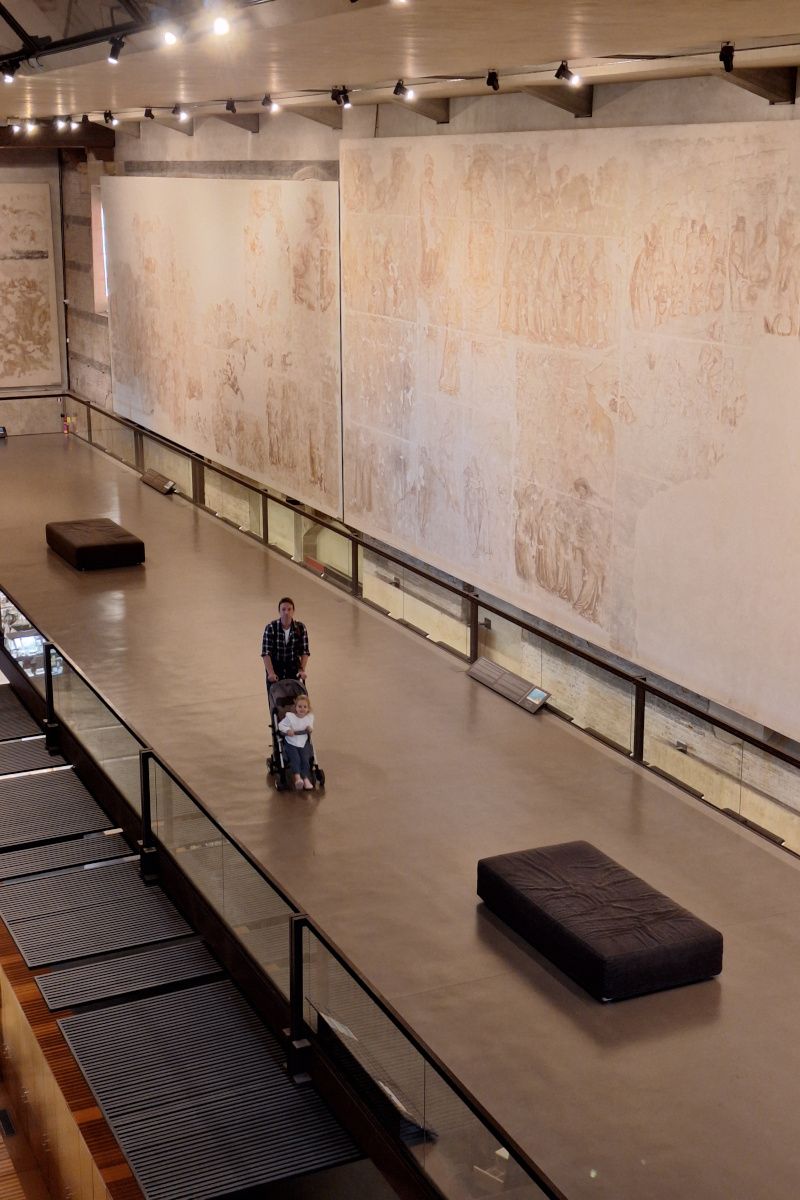
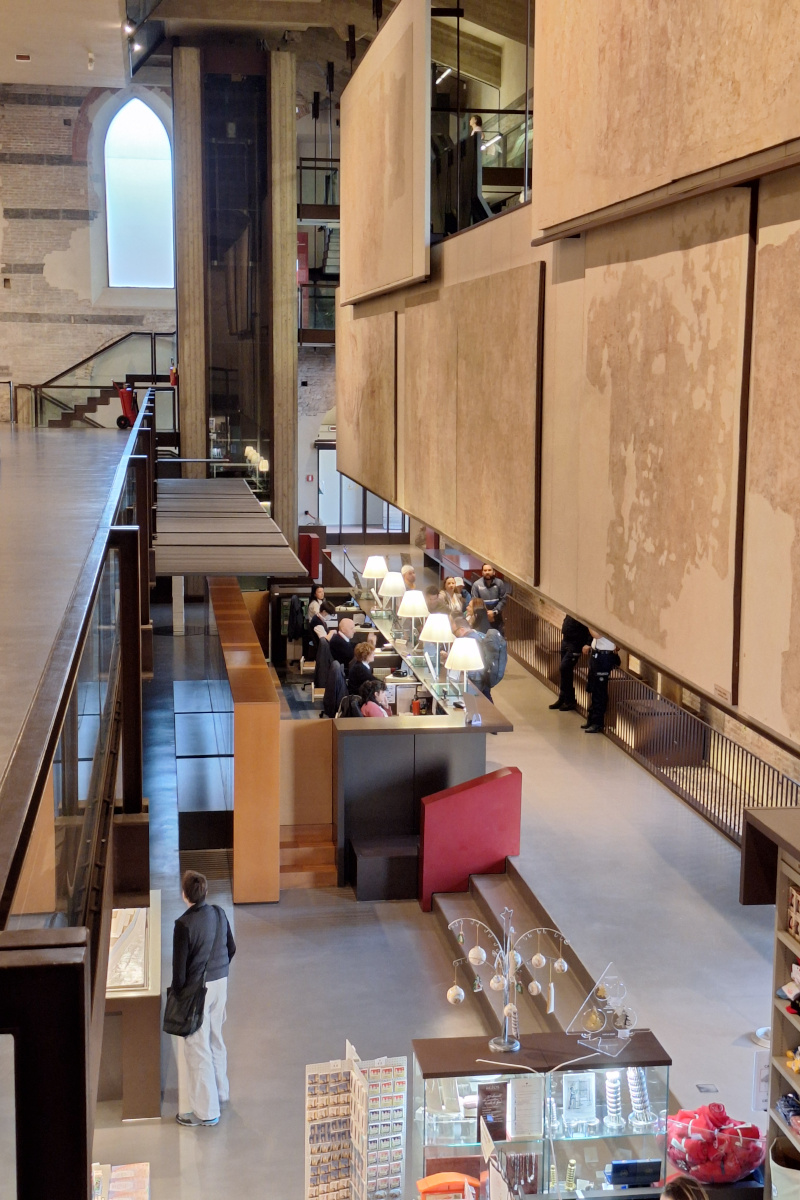
Sinopie Museum: After World War II, a fire in the Camposanto Monumentale badly damaged its frescoes. To save them, experts removed the painted layers from the walls and in the process discovered the “sinopie”, the original sketches underneath. The sinopie (underdrawings) are kept in the museum that is entirely dedicated to these hidden drawings. The restored frescoes are gradually returned to the Camposanto. “Sinopia” means the first sketch of a fresco, drawn in red pigment on plaster before painting. Unlike finished frescoes, these drawings feel more dynamic and expressive, you can often see corrections, different hands, and the artist’s thinking process. They give you a rare chance to understand how medieval masterpieces were actually created, not just how they look when finished. They were never meant to be seen, they are like the artist’s original blueprint. I don’t think we would have visited this museum if it had not been included. The exhibition was not very well explained, so it can be hard to understand without background knowledge and it was ok for us to stop for a short visit as a complement to visiting Camposanto, helping you understand the frescoes better. It is located in the same building as ticket office.
The Leaning Tower of Pisa Entry is not allowed for children who have not turned 8 years old. Therefore, we decided to skip this attraction. So we just enjoyed the view from the outside and explored the nearby buildings.
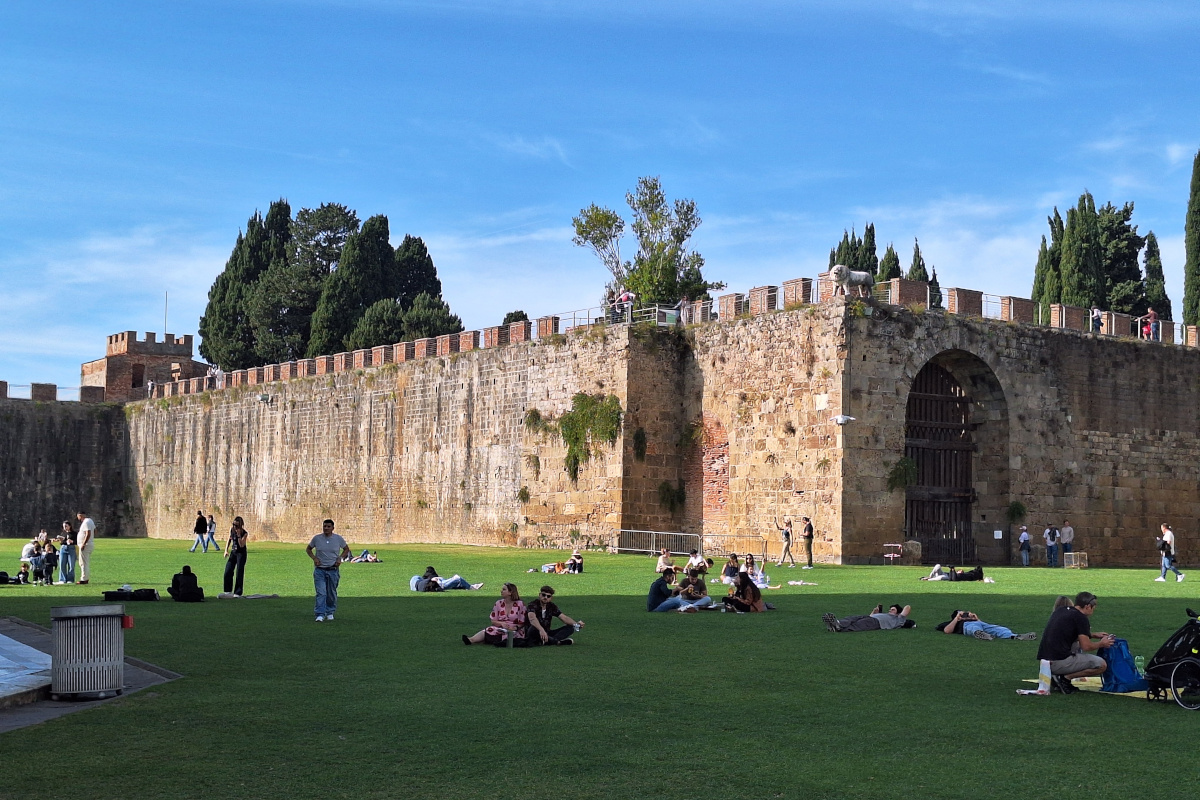
Mura di Pisa: You can actually walk along the ancient city walls, but since we had the pram, we had to skip this as it isn’t fully accessible for strollers. you can walk freely in both directions along the open sections and there are multiple access points (stairs and lifts), so you can start and finish wherever you like and walk just a section or the entire route.
After a long day of walking, we headed through Piazza dei Cavalieri (once the political heart of medieval Pisa) and later toward Borgo Stretto, one of the most atmospheric streets in the city, lined with medieval arcades, small boutiques, and cafés, perfect for a relaxed stroll while staying sheltered from the sun or rain. We tucked into a side street for a birthday dinner at La Ghiotteria, a cozy spot known for its local Tuscan dishes and intimate atmosphere. After dinner, we continued toward the Arno River and passed the Statue of Vittorio Emanuele II, a monument dedicated to the first king of unified Italy. The riverside area, especially along the Lungarno, often comes alive in the evening and that’s where we unexpectedly came across a charming flea market, with small stalls selling antiques, books, and handmade items, adding a lively and authentic touch to the end of the day.
Massa and Pisa offered a perfect balance to the rugged hiking of Cinque Terre. If you have an extra day in the Massa area, I highly recommend visiting the village of Carrara. You can take a Marmo Tour into the heart of the “Fantiscritti” quarries to see exactly where the marble for Michelangelo’s David came from. For us it would be just too many intensive days in a row.
More information about Massa and Carrara on official website of the region
More information about hikes in the area, especially for people visiting this area with the car can be found on
this website
Subscribe via RSS